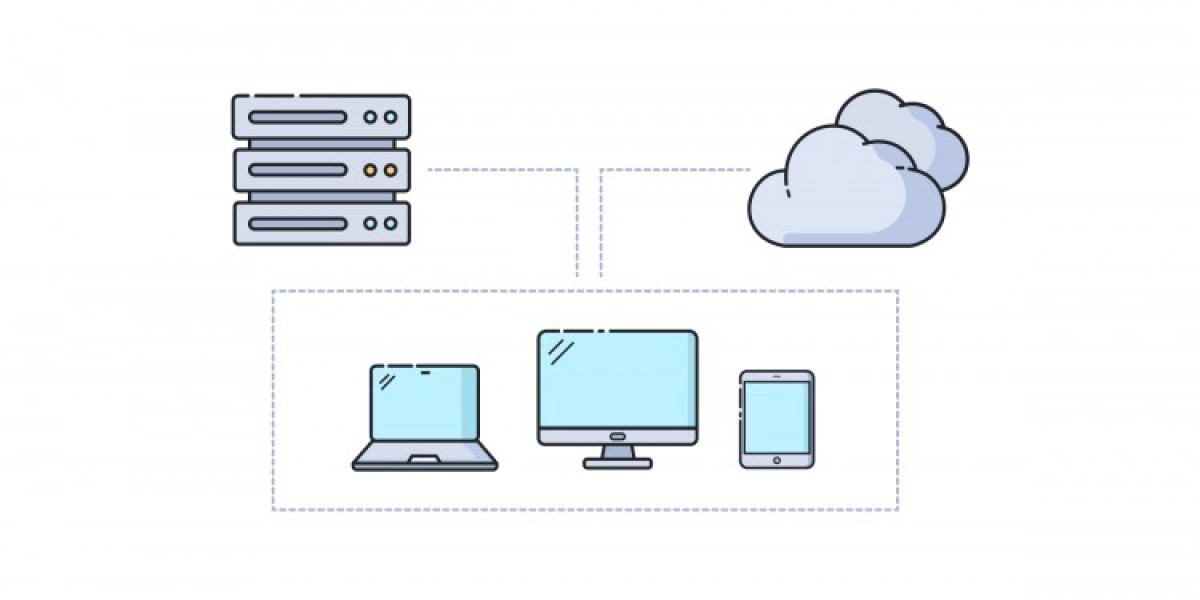

The expanding portfolio of Virtual desktop infrastructure solutions is enabling enterprises to fundamentally transform their computing infrastructure, replacing legacy desktop approaches with flexible, secure, and manageable platforms that align with modern business requirements. These comprehensive solutions encompass the full technology stack required for virtual desktop delivery, from hypervisor platforms and connection brokers to display protocols and management tools that together create seamless end-user experiences. The Virtual Desktop Infrastructure Market size is projected to grow USD 156.48 Billion by 2035, exhibiting a CAGR of 18.2% during the forecast period 2025-2030. This remarkable growth trajectory reflects the maturing solution landscape that now offers options for organizations of all sizes and with diverse technical requirements, from turnkey appliance-based deployments to highly customized enterprise implementations. The competitive vendor ecosystem has driven continuous innovation in VDI solution capabilities, with each product generation delivering improved performance, enhanced features, and simplified management that accelerates adoption. Organizations selecting VDI solutions must navigate a complex decision landscape encompassing on-premises versus cloud deployment models, persistent versus non-persistent desktop approaches, and the specific requirements of diverse user populations with varying performance and application needs.
The architectural components of modern VDI solutions work together to deliver seamless desktop experiences while maximizing operational efficiency and security. Hypervisor platforms from leading vendors provide the foundational virtualization layer that enables efficient multi-tenancy of virtual desktop workloads on shared physical infrastructure, with advanced features for resource management, high availability, and performance optimization. Connection broker software manages the critical functions of user authentication, session establishment, and load balancing, directing users to appropriate virtual desktop resources while enabling features such as session persistence and failover. Display protocol technologies represent a critical differentiator among VDI solutions, with vendors investing heavily in optimizations for latency reduction, bandwidth efficiency, and support for advanced display features including multiple monitors and high-resolution displays. Profile management solutions ensure that user personalizations, application settings, and data persist appropriately across sessions, maintaining familiar and productive work environments regardless of which virtual desktop instance users connect to. Image management tools enable efficient creation, maintenance, and distribution of the master images from which virtual desktops are deployed, supporting both persistent and non-persistent desktop models.
The deployment considerations for VDI solutions require careful analysis of organizational requirements, existing infrastructure, and long-term strategic direction. Sizing and capacity planning must account for the resource demands of intended workloads, anticipated user concurrency patterns, and growth projections, ensuring that infrastructure investments deliver adequate performance throughout their useful life. Storage architecture decisions significantly impact both performance and cost, with options ranging from traditional storage arrays to hyperconverged infrastructure and all-flash configurations each offering different trade-offs. Network requirements must be evaluated considering both data center connectivity and the wide-area network connections that will carry virtual desktop traffic to distributed users. High availability and disaster recovery capabilities must be designed into VDI deployments to ensure that virtual desktop services remain available despite infrastructure failures or site-level disasters. Integration with existing enterprise systems including directory services, identity management platforms, and security tools ensures that VDI deployments align with established operational frameworks.
The evolution of VDI solutions continues accelerating, with vendors introducing capabilities that address emerging requirements and leverage technological advances. Cloud integration features enable hybrid architectures that combine on-premises VDI infrastructure with cloud-based capacity for burst scenarios and disaster recovery. Artificial intelligence and machine learning capabilities are being embedded into VDI platforms to optimize resource allocation, predict performance issues, and automate administrative tasks. Container-based approaches are emerging as alternatives to traditional virtual machine-based VDI, potentially offering improved density and faster provisioning for specific use cases. Unified endpoint management integration creates comprehensive workspace solutions that address both virtual and physical endpoints through consistent management frameworks. Security enhancements including zero-trust architecture integration, advanced threat detection, and enhanced encryption capabilities address the evolving threat landscape that VDI deployments must navigate.
Top Trending Reports -
India Immersive Analytics Market Size
Japan Immersive Analytics Market Size
UK Immersive Analytics Market Size