
Streaming and Password Sharing
In recent times, the debate over “cutting the cable cord” has gained momentum as more people seek affordable entertainment options. The rise of smart TVs, streaming devices like Apple TV and Amazon Fire TV Stick, along with ultra-fast internet, has made it easier than ever to replace traditional cable packages.
Despite the convenience, the cost savings are not always substantial. Subscribing to popular services such as Netflix or Hulu, adding live sports channels like MLB.tv or NFL Network, and premium channels like HBO Max can quickly rack up monthly expenses. This means that for many, cutting the cord doesn't necessarily mean spending less.
Many individuals manage costs by sharing accounts—borrowing from family members, splitting subscriptions with roommates, or sharing with partners. This approach can significantly reduce individual expenses, but it also raises questions about the ethics of password sharing.
To better understand these habits, a survey was conducted with 1,000 streamers. The study explored perceptions of password sharing, identifying who is most likely to engage in it, and whether users feel any social or moral pressure to keep their login details private. The findings reveal intriguing insights into the streaming community’s attitudes and practices around shared accounts.
Password generosity runs rampant across streaming platforms, with MLB.tv leading the charge.
A striking 77% of its users admit to exchanging login credentials, making it the most shared service.
Netflix, despite its massive global streaming audience of 130 million, doesn't hold this top spot.
While it dominates as the preferred platform for nearly 86% of streamers, its password-sharing rate remains lower.
Other services see significant credential exchanges too.
HBO Now and CBS All Access both report 55% sharing, while Starz matches that figure.
Music platforms like Spotify (22%) and Pandora (13.5%) show markedly less sharing activity.
This trend unfolds against the backdrop of accelerating cord-cutting.
By 2018's close, 33 million US adults had abandoned traditional cable and satellite—a near 33% annual surge.
Streaming's appeal lies in its affordability and user control, though sports fans face hurdles.
MLB.tv's climbing costs highlight the challenges for this demographic.
Generational divides sharply define attitudes toward streaming access ethics.
Older demographics show notably lower acceptance rates:
Just one-third of Gen X and Baby Boomers view gifting paid streaming access as morally permissible
Even fewer consider receiving such access ethically comfortable
Younger users demonstrate markedly different standards:
Over 60% of millennials endorse providing unpaid streaming to others
More than 75% of Gen Z considers this practice ethically sound
Similar percentages approve of receiving shared access
This ethical disconnect persists despite widespread awareness:
Majorities across age groups acknowledge platform sharing policies
Many consciously choose to violate these guidelines regardless
The legal landscape remains murky and impractical to enforce:
Password sharing technically violates copyright law
This $500 million annual revenue loss for Netflix represents a largely unenforceable prohibition
The technical legality proves easy for consumers to disregard
When streaming credentials change hands between friends or family, generational perspectives on culpability diverge sharply.
Nearly half (49%) of Gen Z respondents perceive no wrongdoing by either party in password exchanges, viewing such sharing as socially acceptable behavior.
Millennials align closely with this outlook, with one-third absolving both participants of guilt.
Contrastingly, older demographics exhibit stricter interpretations:
Baby Boomers predominantly attribute responsibility to the account holder providing access, with only 10% exclusively faulting recipients.
While Gen Xers and Boomers often assign shared blame, they consistently identify credential providers as primary violators of service agreements.
Younger generations further challenge conventional industry arguments:
They largely dismiss claims that password sharing financially harms streaming platforms.
Even fewer believe content creators suffer revenue losses from shared accounts.
This generational rift highlights evolving digital ethics:
Where older users see contractual breaches, younger subscribers see harmless communal access.
The debate centers not on rules but on fundamentally different perceptions of digital ownership and entitlement.
Many users admit to sharing their streaming platform passwords, despite it being technically illegal under federal law. Interestingly, experts generally reassure that such actions rarely lead to legal trouble for the average consumer.
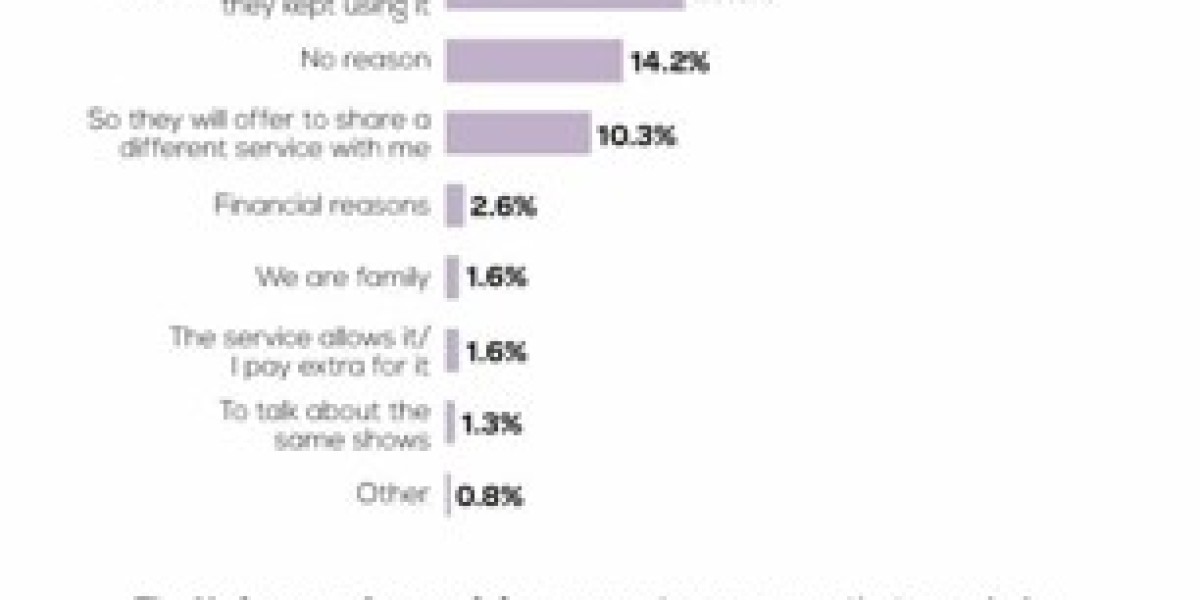
A primary motivation for sharing accounts appears to be kindness. Over 62 percent of users consider sharing their login details a friendly act, often aimed at helping friends or family access content. Additionally, about 39 percent of sharers exchanged credentials because they themselves received access through someone else, highlighting a mutual sharing culture. A smaller group, around 25 percent, shared their accounts unintentionally—perhaps by signing in once on a device that others later used without permission. Among those who shared, fewer than 20 percent felt guilty about passing along their passwords.
On the receiving end, most users who logged into someone else’s account did so out of necessity rather than malice. While 38 percent admitted they did not want to pay for a subscription, a significant majority—69 percent—claimed they had permission from the account owner. Financial constraints also played a role, with nearly 29 percent of respondents indicating they borrowed login details because they could not afford their own streaming service.
Generational Streaming Habits
A recent survey reveals striking generational differences in streaming account sharing behavior. Generation Z stands out as the most generous with their login credentials, with approximately 56% allowing individuals outside their immediate household to access their streaming services. This figure drastically outpaces Baby Boomers (30%) and Generation X (32%), while Millennials fall somewhere in between at 48%.
When examining who benefits from this digital generosity, romantic partners and friends top the list of recipients. Interestingly, family members appear less likely to receive these privileges, with only half of password-sharers extending access to parents, 44% to siblings, and a mere 15% to children.
The data also highlights a significant disparity in who receives shared access across generations. While nearly 3 in 5 Gen Zers (59%) acknowledge using someone else's streaming account, this practice drops dramatically among older demographics, with only about one-fifth of Gen X (21%) and Baby Boomer (19%) respondents reporting similar behavior.
These findings suggest a generational shift in attitudes toward digital resource sharing, with younger users embracing a more communal approach to subscription services.
The Evolution of Digital Streaming: Changing Consumption Patterns Across Generations
The landscape of digital content consumption has undergone a remarkable transformation in recent years, with streaming platforms becoming increasingly central to how people access entertainment.
Research involving 1,000 participants reveals fascinating generational differences in streaming preferences. Generation Z shows the strongest affinity for music streaming services, with over a quarter considering them essential for accessing music content. This contrasts sharply with older demographics who demonstrate different priorities.
Millennials emerge as the predominant users of television streaming services compared to other age groups. Meanwhile, Generation X and Baby Boomers display their own distinctive patterns, with approximately 39% of Gen Xers utilizing streaming platforms for television content.
Perhaps most striking is the finding that a significant majority of Baby Boomers—61%—primarily use streaming services like Netflix and Hulu to watch feature films rather than episodic content. This highlights how different generations extract different value from identical subscription services.
The streaming industry itself has evolved beyond simple content delivery. Music streaming witnessed fierce competition in 2016 with platforms like Tidal and Apple Music challenging established services through exclusive artist arrangements. Similarly, Netflix has expanded beyond its television roots to establish itself as a legitimate producer of prestigious cinematic content.
Password sharing remains prevalent across platforms, with sports services like MLB.TV and premium networks like HBO experiencing particularly high rates of credential sharing. This practice has persisted despite price increases across various platforms.
For consumers seeking value, utilizing virtual private networks to access different regional content libraries represents one strategy for maximizing subscription benefits, though this requires research to identify reliable services.
As streaming continues reshaping entertainment consumption, understanding these generational preferences and industry trends provides valuable insight into the future direction of digital media.
What is a Netflix VPN and How to Get One
A Netflix VPN is a specialized service that encrypts your internet connection while enabling access to geographically restricted Netflix libraries worldwide. It primarily functions to protect user privacy during streaming and allows subscribers to bypass regional content blocks by connecting to servers in other countries. Using a Netflix VPN lets you unlock a significantly broader selection of shows and movies not available in your home location.
Why Choose SafeShell as Your Netflix VPN?
If you're seeking to access region-restricted Netflix content, you may want to consider the SafeShell VPN, especially when encountering issues like Netflix vpn not working due to outdated software or detection. SafeShell VPN provides distinct advantages:
- High-speed Servers for Netflix: Specifically optimized servers ensure buffer-free, HD streaming without interruptions.
- Multi-Device Connectivity: Use SafeShell VPN on up to five devices simultaneously across platforms like Windows, macOS, iOS, Android, and smart TVs.
- Exclusive App Mode: Unlock content from multiple regions concurrently for diverse streaming libraries.
- Lightning-Fast Speeds: Experience no throttling or bandwidth limits for seamless streaming and downloads.
- Top-Level Security: The proprietary "ShellGuard" protocol offers advanced encryption for private browsing.
- Flexible Free Trial: Test all features risk-free before committing.
A Step-by-Step Guide to Watch Netflix with SafeShell VPN
To use NetFlix VPN on SafeShell VPN, start by subscribing to SafeShell VPN through their official website, selecting a plan that suits your needs and clicking on the "Subscribe Now" button. Once subscribed, download and install the SafeShell VPN app compatible with your device, whether it is Windows, macOS, iOS, or Android. After installation, open the SafeShell Netflix VPN app and log in to your account, then choose the APP mode for a better streaming experience. Next, browse the list of available servers within the app and select a server located in the region whose Netflix content you want to access, such as the US or UK, then click "Connect" to establish the VPN connection. Finally, launch the Netflix app or visit the website, log into your Netflix account, and enjoy watching content from the region you selected with the help of SafeShell Netflix VPN.